The Manga Formula: Why the World Can't Stop Reading Comics From Japan
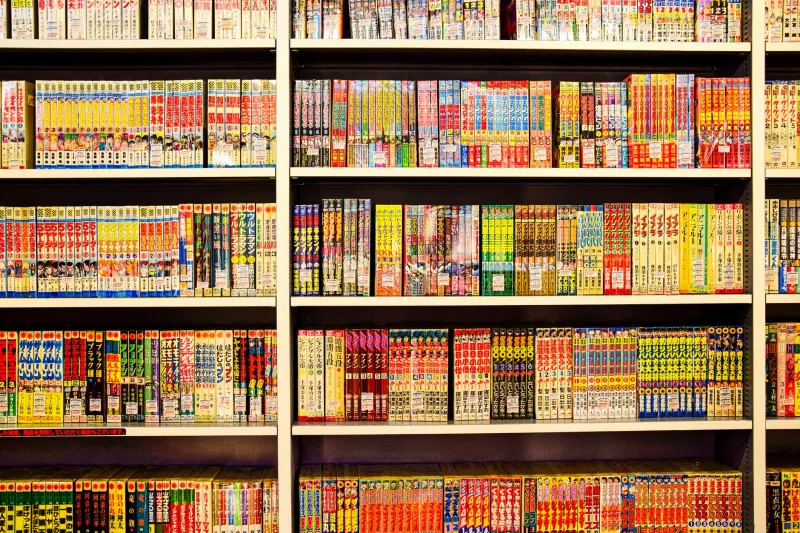
Walk into any Barnes & Noble in the United States right now and head to the graphic novel section. Chances are, the manga shelves are bigger than the American comics section — and probably more crowded with actual shoppers. According to NPD BookScan data, manga sales in the US have grown dramatically over the past five years, with titles like Demon Slayer, Jujutsu Kaisen, and One Piece consistently hitting bestseller lists alongside mainstream novels.
So what's happening? Why is a format developed for Japanese schoolchildren and salarymen on train commutes eating the lunch of an industry that invented Superman?
The answer isn't just cultural novelty. It's structural. It's economic. And it has everything to do with how stories are told.
The Page Is a Different Animal
Let's start with the most obvious difference: how manga uses the page itself.
Traditional American superhero comics — think Marvel or DC — tend to favor a fairly rigid grid layout. Six to nine panels per page, clear gutters, action-forward progression. It's functional, it's readable, and it's been largely unchanged since the 1940s. Manga throws that rulebook out the window.
Japanese manga artists (mangaka) treat the page as a flexible canvas. Panels expand and contract based on emotional weight. A single image might bleed across an entire spread to convey the scale of a moment. Tiny inset panels capture micro-expressions. Speed lines, abstract backgrounds, and deliberate white space all serve the story's emotional rhythm rather than a standardized format.
This approach gives manga an almost cinematic quality. Reading Berserk or Vinland Saga feels less like flipping through a comic and more like watching a very fast, very intense film with your eyes. The pacing is controlled by the artist at a granular level, and skilled mangaka use that control masterfully.
American creator Peach Momoko, who has worked extensively with Marvel while drawing heavily from manga influences, has talked about how her approach to negative space and panel flow comes directly from studying Japanese comics. "The page tells you where to look," she's noted in interviews. "In manga, the artist is constantly guiding your eye in ways that feel natural rather than mechanical."
Volume Economics: The Subscription Model Before Streaming Existed
Here's something American publishers are only now beginning to grapple with: manga basically invented the serialization-to-collected-volume pipeline that makes ongoing stories commercially sustainable.
Most manga begins life as a weekly or monthly chapter in an anthology magazine — Shonen Jump, Shonen Magazine, Big Comic Spirits, and dozens of others. Chapters are short (roughly 15-20 pages), affordable, and released on a reliable schedule. If a series proves popular, those chapters get collected into tankobon volumes and sold as standalone books. Readers who discover a series late can catch up through volumes. Readers who followed from the start buy the volumes anyway, because they want the physical collection.
This model creates multiple revenue streams, sustained reader engagement, and a built-in backlist that keeps generating income long after a series ends. Dragon Ball finished in 1995. You can still walk into a comic shop today and buy the complete collected volumes.
American comics, by contrast, have long relied on single-issue sales that make it genuinely difficult for new readers to jump in mid-story. The industry has been slowly shifting toward trade paperback collections, but manga had this figured out decades ago.
Digital platforms like VIZ Media's Shonen Jump app and Manga Plus have extended this model into the streaming era, offering massive libraries for a few dollars a month — further lowering the barrier to entry for American readers who might be intimidated by the physical backlog.
Genre Diversity Is Not Optional
Another thing manga gets right that American comics have historically struggled with: genre is treated as completely fluid.
American mainstream comics are still heavily associated with superheroes. That's changing — graphic novels covering memoir, horror, romance, and literary fiction are growing fast — but the superhero association runs deep in public perception.
Manga has no such limitation. Yotsuba&! is a gentle slice-of-life series about a curious little girl. Monster is a psychological thriller. Fullmetal Alchemist is action-adventure with serious political philosophy embedded in it. Nana is a character-driven story about female friendship and music. Mushishi is quiet, meditative folk horror.
This genre diversity means manga has a genuine entry point for almost any reader. A teenage girl who has no interest in capes and punching can find a dozen manga series that speak directly to her experience. A middle-aged guy who likes true crime can find manga covering that, too. American comics publishers are working to diversify, but manga already has decades of infrastructure built around serving a genuinely broad readership.
What American Creators Are Learning
The manga influence on American comics creators is no longer subtle. Publishers like Yen Press, which operates as a hybrid of Western and manga publishing, are investing heavily in original English-language manga (OEL manga) — stories created by American artists using manga conventions and formatted for right-to-left reading.
Creators like Felipe Smith (Peepo Choo) and Svetlana Chmakova (Awkward, Brave) have built substantial readerships by working in manga-influenced styles that resonate with younger American audiences who grew up on Naruto and Sailor Moon.
The lesson being absorbed across the industry isn't "copy manga" — it's "pay attention to what manga does with pacing, accessibility, and genre diversity, and ask whether your own work can learn from it."
The Bottom Line
Manga isn't winning globally because it's exotic or trendy. It's winning because it solved problems that Western comics publishing is still working through: how to bring in new readers, how to sustain long-running series economically, how to serve a genuinely diverse readership, and how to use the visual medium to its fullest emotional potential.
American comics have produced genuine masterpieces and will continue to. But if publishers and creators want to compete for the same shelf space — and the same readers — understanding what manga does differently isn't optional anymore. It's homework.