Passion to Paycheck: How Anime Fandom Is Opening Real Doors in American Entertainment
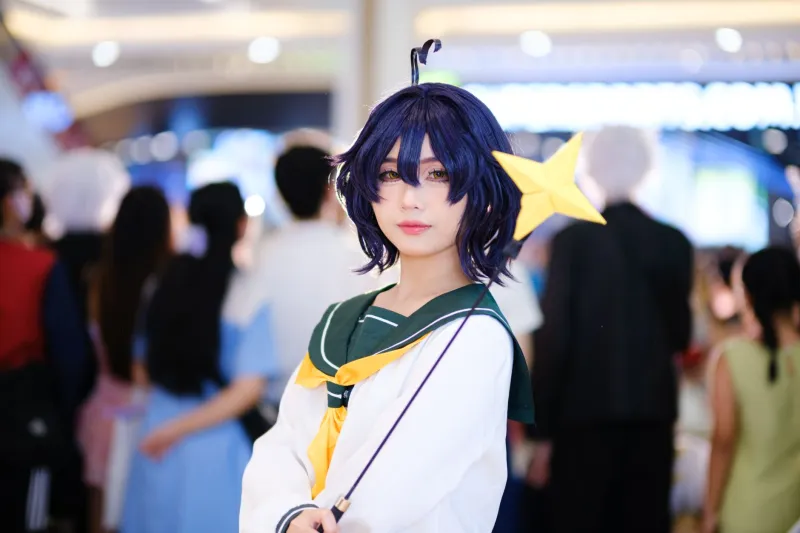
For a long time, loving anime in America meant defending your hobby at the lunch table. Fast forward to today, and that same passion — the all-nighters spent watching subtitled episodes, the weekends blown on convention cosplay, the hours lost perfecting fan art — is quietly becoming one of the most valuable résumé assets in entertainment.
It sounds almost too good to be true. But across animation studios, localization houses, game developers, and streaming platforms, hiring managers are increasingly looking toward fan communities to find their next generation of talent. The pipeline from fandom to full-time gig is more real than most people realize.
The Convention Floor as a Networking Event
Anime Expo in Los Angeles draws over 350,000 attendees every July. New York Comic Con, Otakon in DC, and dozens of regional cons fill out the rest of the calendar. For years, these events were seen purely as fan celebrations — places to buy merch, meet voice actors, and show off elaborate costumes. But something shifted.
Studios started showing up. Not just to promote their latest releases, but to scout. Funimation, Crunchyroll, and Netflix Anime have all held recruitment panels and portfolio reviews at major conventions. Smaller indie animation outfits use Artist Alley as an informal audition — if your booth is pulling crowds, someone from a studio might already be watching.
"I got my first localization gig because a producer spotted my translation work on a fan wiki," says Marcus T., a 29-year-old now working for a mid-sized dubbing company in Dallas. "I'd been doing unofficial subtitle corrections as a hobby for years. Turns out that was basically a work portfolio I didn't know I was building."
Marcus isn't an outlier. Across the industry, professionals are telling similar stories about unconventional entry points — fan fiction that demonstrated narrative instincts, cosplay builds that showcased fabrication skills, speedrun commentary that proved an ear for pacing and entertainment.
What Fandom Actually Teaches You
It's worth unpacking why deep engagement with Japanese media translates so well into professional skills. Anime and manga fandom, more than most pop culture communities, tends to be intensely analytical. Fans don't just consume — they dissect. They debate animation technique, voice direction, story structure, and cultural subtext with a level of rigor that most film schools would respect.
Character designers working in American animation today frequently cite Japanese aesthetics as a foundational influence. The expressive eyes, the use of negative space, the way emotion gets compressed into a single frame — these are design principles that originated in manga and have quietly seeped into everything from Cartoon Network originals to major video game cinematics.
Localization is another field where fandom fluency is almost a prerequisite. Translating anime isn't just about converting Japanese to English — it's about preserving tone, cultural context, and comedic timing across a massive language gap. The professionals who do it best are almost always people who grew up watching both dubbed and subtitled versions, who argued passionately online about which translation choices worked and which ones didn't.
"You can teach someone Japanese," says one senior localization editor who asked to remain anonymous. "You can't as easily teach them the cultural instincts that come from years of genuine fandom. That stuff just lives in you."
Studios Are Changing How They Recruit
The shift isn't just anecdotal. Major platforms are formalizing what used to happen organically. Crunchyroll has expanded its internship programs with pathways specifically aimed at fan creators — artists, writers, and community managers who built audiences around Japanese media content. Netflix's anime division, which has invested billions into original Japanese-language content and co-productions, has been vocal about wanting team members who understand the cultural nuance behind the stories they're acquiring.
On the animation side, studios like TRIGGER's American partnerships and the various co-production deals between Hollywood and Japanese houses have created hybrid roles that didn't exist a decade ago. These jobs require someone who can operate fluently in both entertainment cultures — someone who knows what a sakuga cut is and why it matters, but can also write a pitch deck for an American network executive.
That's a very specific skillset. And the talent pool that has it? Convention-going, Discord-dwelling, fanfic-writing anime fans.
Cosplay as a Portfolio
Perhaps the most visually striking example of fandom-to-career is the cosplay community's growing overlap with professional costume design, prop fabrication, and special effects work.
Cosplayers who reach the upper tiers of the craft are essentially running small manufacturing operations. They're sourcing materials, engineering wearable armor, hand-sewing garments to film-quality standards, and documenting the process for audiences of thousands. The skills involved — pattern drafting, foam fabrication, thermoplastics, airbrushing — are directly transferable to film and television production.
Several prominent Hollywood costume departments have brought on cosplayers in recent years, particularly for projects with a heavy fantasy or sci-fi element. The logic is straightforward: someone who built a screen-accurate Evangelion suit in their garage for fun is going to hit the ground running on a studio budget.
The Authenticity Advantage
There's a broader cultural shift happening here too. As Japanese media continues its mainstream breakthrough in the US — with anime now a fixture on every major streaming platform and manga sales outpacing American comics — studios are realizing that authentic cultural understanding matters. Hiring people who genuinely love this art form, rather than just treating it as a content category to monetize, produces better work.
Fans notice when something is made with care. They also notice when it isn't. The professionals who came up through fandom carry that discernment into their jobs. They're the ones pushing back in writers' rooms when a cultural detail gets flattened, or flagging a dub line that technically translates but emotionally misses the mark.
For anyone out there who grew up with anime posters on their walls and a hard drive full of fansubs — the industry is catching up to what you already knew. That passion wasn't a distraction. It was the education.